

Lipo Sculpting Gallery
$$MultiPurposeText$$
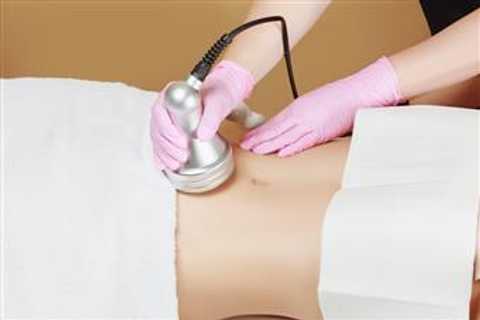
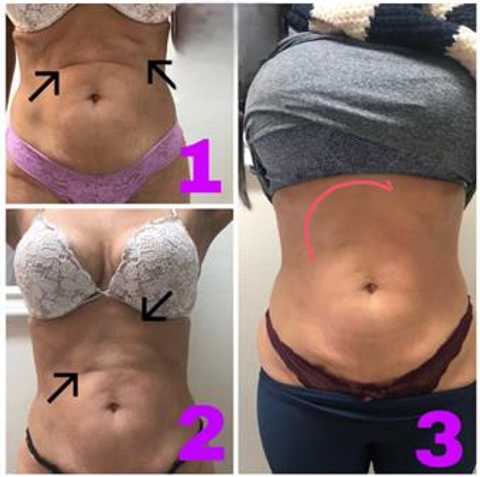
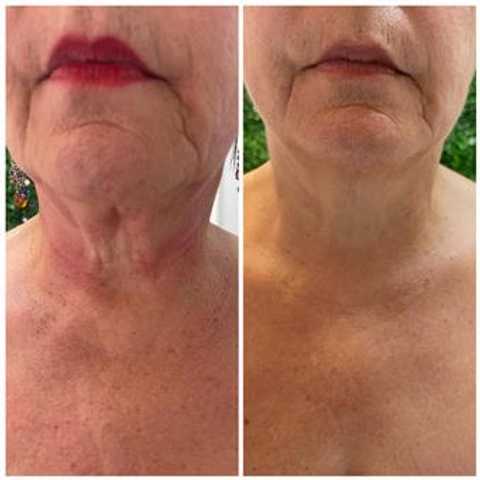
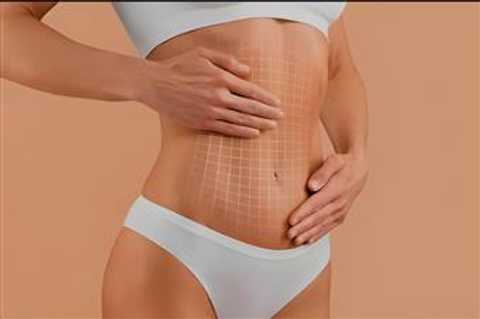
See examples of our Lipo Sculpting work and results.






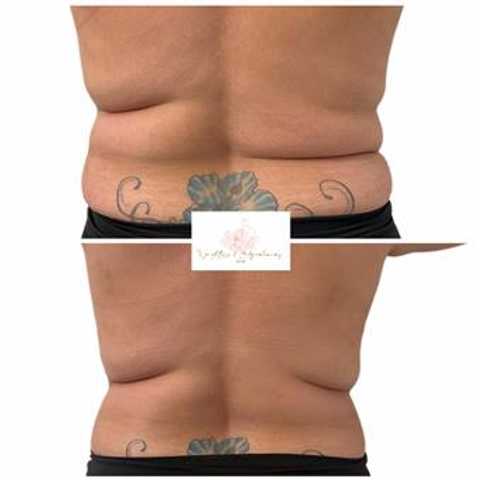


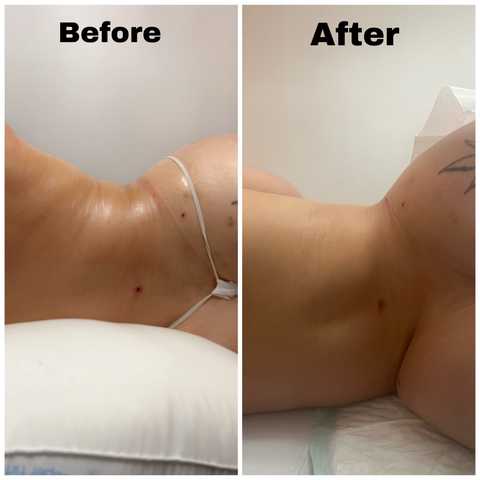
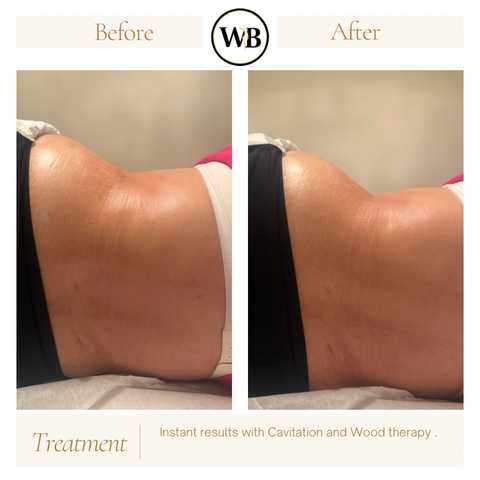
What Our Clients Say
$$MultiPurposeText$$
Read testimonials from our satisfied customers

I always enjoy my RF facial with Judith. Excellent service

Judith was very professional. She took the time to explain to me bodycountering.
She did a...more

I visited the Weight Loss and Body Contouring Center for a treatment, and Judith was absol...more

I cannot thank Judith enough for the amazing work she has done for me! I saw her post lipo...more

I have been coming here for years and just love the customer service, the treatments have ...more

This weight loss and body conjuring is wonderful. They treat you like you’re a friend fore...more

Frequently Asked Questions
Get answers to common questions about Lipo Sculpting.
Lipo Sculpting uses ultrasonic cavitation to disrupt fat cell membranes, releasing contents that the lymphatic and circulatory systems process. Treatments focus on subcutaneous fat to gradually reduce volume and refine contours over several sessions.
Most clients report mild warming, tingling, or gentle vibration during treatment. Sessions typically last 30–60 minutes and require no anesthesia. You can usually resume normal activities immediately afterward with minimal discomfort.
Recommendation varies, but most clients see improvements after 2–4 sessions and optimal results after 6–12 treatments spaced weekly. The exact number depends on area size, fat thickness, and individual response.
Cavitation destroys fat cells, which are permanently removed, but remaining fat cells can enlarge if you regain weight. Long-term results are best maintained with healthy diet, exercise, and occasional touch-up sessions.
Ideal candidates are generally healthy adults near their goal weight with localized, diet-resistant fat pockets. It’s not recommended for pregnant women, those with certain medical conditions, or people with obesity requiring surgical approaches.
Side effects are usually mild and temporary: redness, bruising, numbness, or slight swelling. Serious complications are rare when performed by trained professionals; pre-screening and proper aftercare minimize risks.